About Us

Empowering Communities for Holistic and Sustainable Development

Years of Experience
1
about us

What Makes Us Different?

DivineAid, formerly known as Divine Waters Uganda, is a nationally registered indigenous Non-Governmental Organization (NGO) founded in June 2001. Initially established to provide safe drinking water to underserved communities in Northern and Eastern Uganda, DivineAid has grown into a dynamic development agency with a broader mandate that includes:

  1. Integrated water resources Development
  2. Livelihoods and Economic Empowerment
  3. Environmental Sustainability and Climate Action

  4. Our work is rooted in community-led development, technical excellence, and inclusive programming—serving all people regardless of race, religion, or ideology.
our transformation

Strategic Inclusive Transformation

In 2018, DivineAid undertook a strategic reflection to realign its identity, programs, and partnerships with evolving community needs and sector dynamics. This led to:

  1. A rebranding from Divine Waters Uganda to DivineAid to reflect a more inclusive and integrated development approach.
  2. Expansion beyond WASH to include livelihoods, advocacy, and environmental protection.
  3. A renewed focus on partnerships, visibility, and strategic coordination with civil society and government actors.
Our Mission, Vision, Values & Objectives

DivineAid is a catalyst for transformation in Northern Uganda, harmonizing environmental stewardship with economic empowerment to build resilient communities where every individual can thrive holistically and sustainably.

  • Our Mission

    To empower communities through capacity building, networking, research, and collaboration with development actors for the realization of holistic and sustainable development.

  • Our Vision

    A community living a holistic life in a healthy environment

  • Our Values

    Transparency · Integrity · Respect · Professionalism · Stewardship

  • Our Objectives

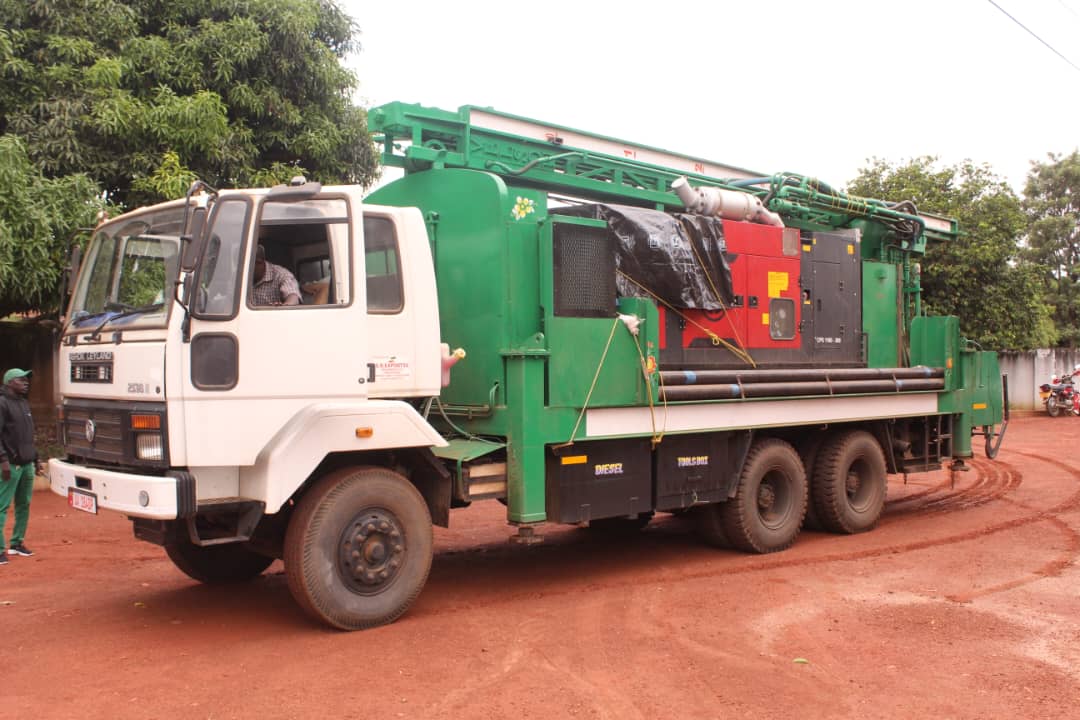
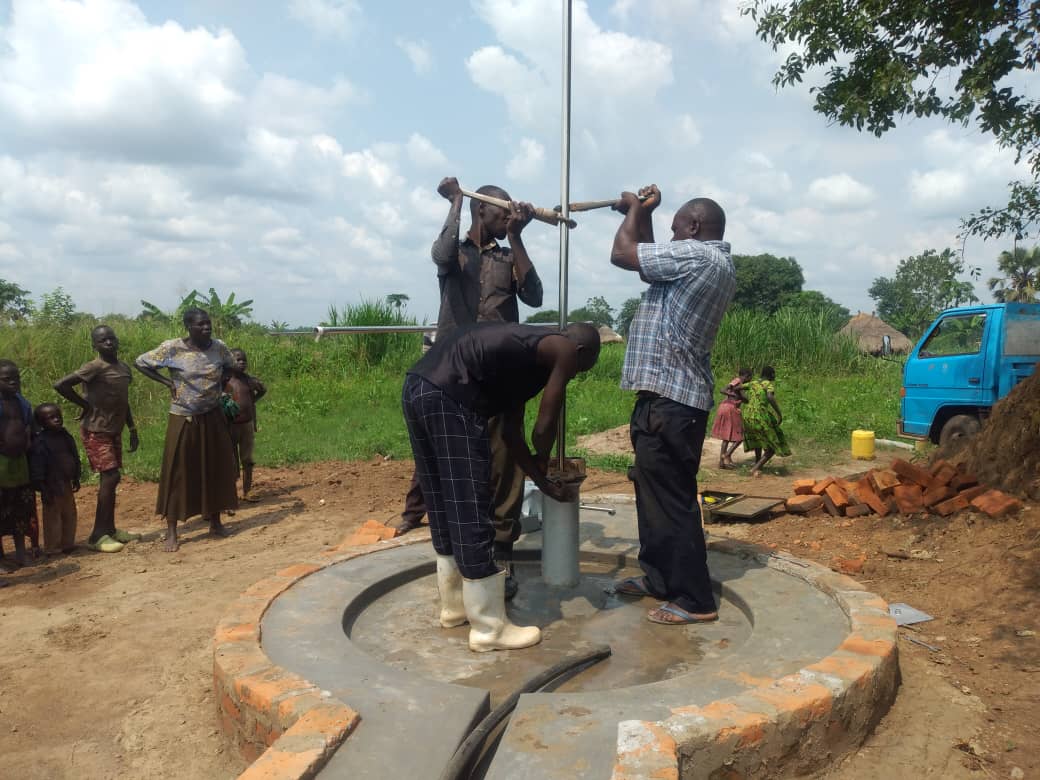
Oribcing well installation

Promote integrated and holistic community development initiatives

Strengthen organizational and institutional capacity for effective service delivery

Foster sustainable partnerships, networking, and collaboration

Advance research, innovation, and advocacy aligned with DivineAid’s mandate

where we work

Geographic Scope

DivineAid is focused on Dokolo District in Northern Uganda — our main water project area. Our reach continues to expand through strategic partnerships and community-led initiatives. We primarily serve communities in Northern and Eastern Uganda, with a particular focus on rural areas lacking access to safe water, economic opportunities, and resilient livelihoods.

Lira City

Dokolo District

Boreholes & Wells
1 +
Benefiting People
1 +
Water Management Committees
1 +
Sub-county Water Boards
1
Our Achievements

Key Achievements (2001–2021)

Infrastructure & Sustainability

  1. Office rental facility.
  2. Staff Academic sponsorships.
  3. Staff capacity building workshops.


WASH Impact

  1. Mechanic associations and sub-county boards.
  2. Preventative Maintenance Mode.
  3. WASH soccer healing and youth outreach.

Sanitation & Hygiene

  1. 12 handwashing tanks in health centers and schools.
  2. 60 drainable pit latrines across institutions.
  3. Trained women in reusable menstrual pad production.
  4. 15 Open Defecation Free (ODF) campaign.

Environmental Integration

  1. Institutionalized Environmental Protection.
  2. Led WASH Campaign partnered with UWASNET.
  3.  

Partnerships & Advocacy

  1. UWASNET Northern Regional Coordinator.
  2. Increased funding by 150% 
  3. Partnered with Spout Uganda and Solvatent.
  4. Disseminated 4 WASH Research.

Our Objectives, achievements, interventions & lessons

Our Commitment

DivineAid is committed to inclusive development, community ownership, and strategic collaboration. We believe that sustainable change is possible when communities are empowered to lead their own transformation.

Current Interventions

DivineAid is currently implementing strategic interventions aimed at strengthening WASH service delivery, environmental resilience, and community empowerment:

  1. a) Strengthening Local Government Capacity

We are building the capacity of Local Governments by promoting and enhancing the participation of WASH Civil Society Organizations (CSOs) in District Water and Sanitation Coordination Committees. This initiative fosters inclusive planning, coordination, and accountability in WASH service delivery.

  1. b) Empowering Marginalized Communities

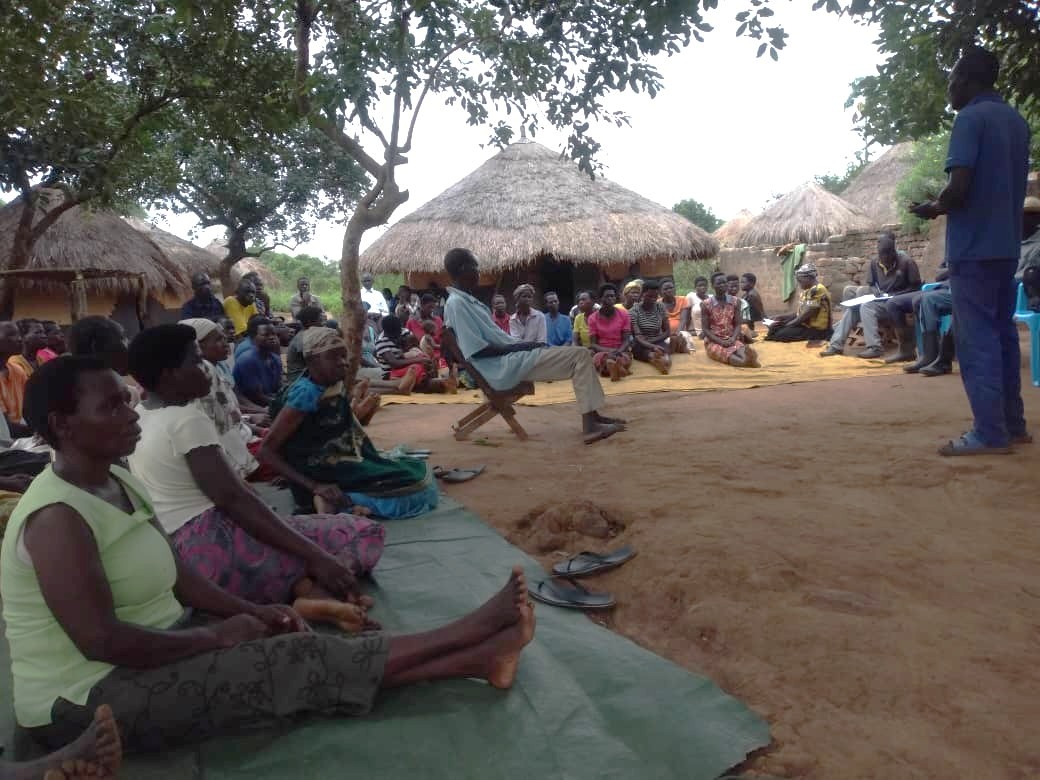
We are amplifying the demand side of WASH services by raising awareness and promoting the exercise of the human right to water among marginalized rural and poor communities. These efforts aim to improve hygiene, health, and equitable access to clean water through coordinated stakeholder engagement and empowered service consumers.

  1. c) Restoring Degraded Ecosystems

DivineAid supports communities in developing and implementing restoration plans for degraded riverbanks and buffer zones within their water catchments. The overarching goal was to enhance community resilience to floods and landslides by promoting catchment-based, integrated, equitable, and sustainable management of water and related resources. Key outputs include:

  1. Identification and engagement of affected communities
  2. Capacity building in three catchments for riverbank restoration and buffer zone protection
  3. Promotion of sustainable forest, wetland, and riverbank management practices
Lessons Learned

Insights from the previous strategic plan have shaped the current programming and organizational direction:

  • Diversified Funding Is Essential, expanding funding sources has proven critical for sustaining operations, enhancing program relevance, and maintaining legitimacy. Multiple revenue streams have enabled DivineAid to remain focused and motivated in delivering its mandate.
  • Partnerships Drive Impact; Meaningful collaborations with peer organizations and coalitions—especially within the WASH sector—have significantly contributed to program success. Learning from and contributing to these networks has strengthened DivineAid’s advocacy and implementation capacity.
  • Community Ownership Enhances Sustainability: Increased engagement with communities has led to stronger local ownership of development initiatives. This was particularly evident in the improved quality of programs following recommendations from a community-led development study.
  • Brand Identity Matters: The former name, Divine Waters Uganda, was perceived as narrowly focused on water and faith-based programming, limiting strategic partnerships. Rebranding to DivineAid has broadened the organization’s appeal and relevance across sectors and stakeholders.
Good Practices

Several innovations from the previous strategic plan will be scaled and replicated in the next decade:

  • Adaptive Programming: DivineAid has embraced iterative, context-driven problem-solving approaches. This flexibility allows interventions to remain relevant amid changing community dynamics and development needs.
  • Hand Pump Mechanic Allocation: Assigning specific equipment to designated hand pump mechanics has improved accountability, communication, and maintenance efficiency. This model has reduced repair turnaround time and increased community access to reliable water services.
  • Community-Led Solutions: Empowering beneficiaries to lead their own development initiatives has fostered ownership, motivation, and sustainability. Local solutions are often the most effective and enduring.
Project Beneficiaries

DivineAid’s primary beneficiaries include communities affected by decades of conflict between the Lord’s Resistance Army (LRA) and government forces. These communities endured displacement, violence, and the destruction of infrastructure, leaving them dependent on emergency aid and struggling with emotional trauma.

Today, DivineAid targets former internally displaced persons (IDPs) with integrated programs in:

  • Integrated Water Resource Management (IWRM)
  • Environmental Restoration
  • Livelihood and Economic Development

Using participatory methods, DivineAid supports these communities in rebuilding their lives, restoring hope, and reclaiming self-sufficiency.

Strategic Focus & Future Plans

To address current gaps and meet evolving community needs, DivineAid is prioritizing three strategic focus areas:

  1. Integrated WASH and Environmental Programming
  2. Inclusive Livelihood and Economic Empowerment
  3. Strengthened Advocacy and Stakeholder Engagement

The organization is committed to developing and implementing a realistic resource mobilization plan aligned with its new strategic vision. Systems will be established to enhance learning, improve program delivery, and ensure long-term impact.